

Ratio variants explained: what 1:10, 1:25 and 1:100 really mean
What the numbers on incentive covers really mean, why every publisher plays by different rules, from Marvel to Dynamite and Vault, and why ratio covers cost what they do.
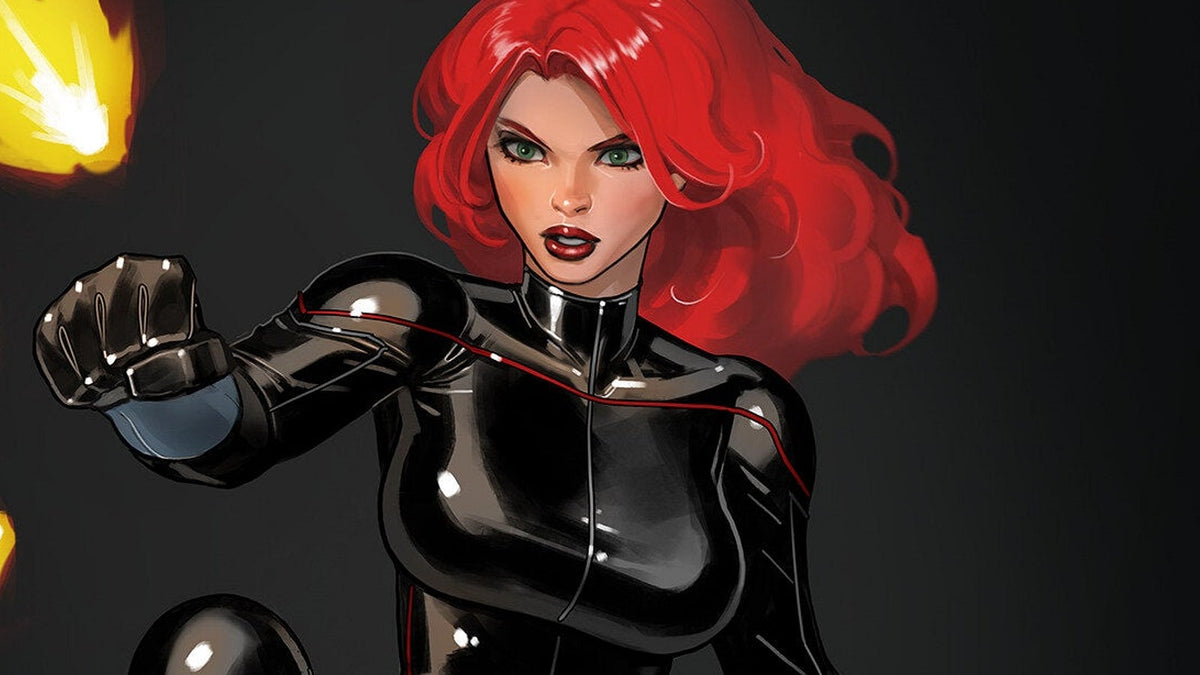
Browse any week of new comics and you will see covers marked “1:25,” “1:50” or even “1:100.” These are ratio variants, also called incentive covers, and they are some of the most striking, and most expensive, covers on the wall. The idea is simple. The details are not, because every publisher writes its own rules. Here is how ratio variants really work, why they exist, why they cost what they cost, and how we handle them at Comic Legion, without the hype.
What “1:25” actually means
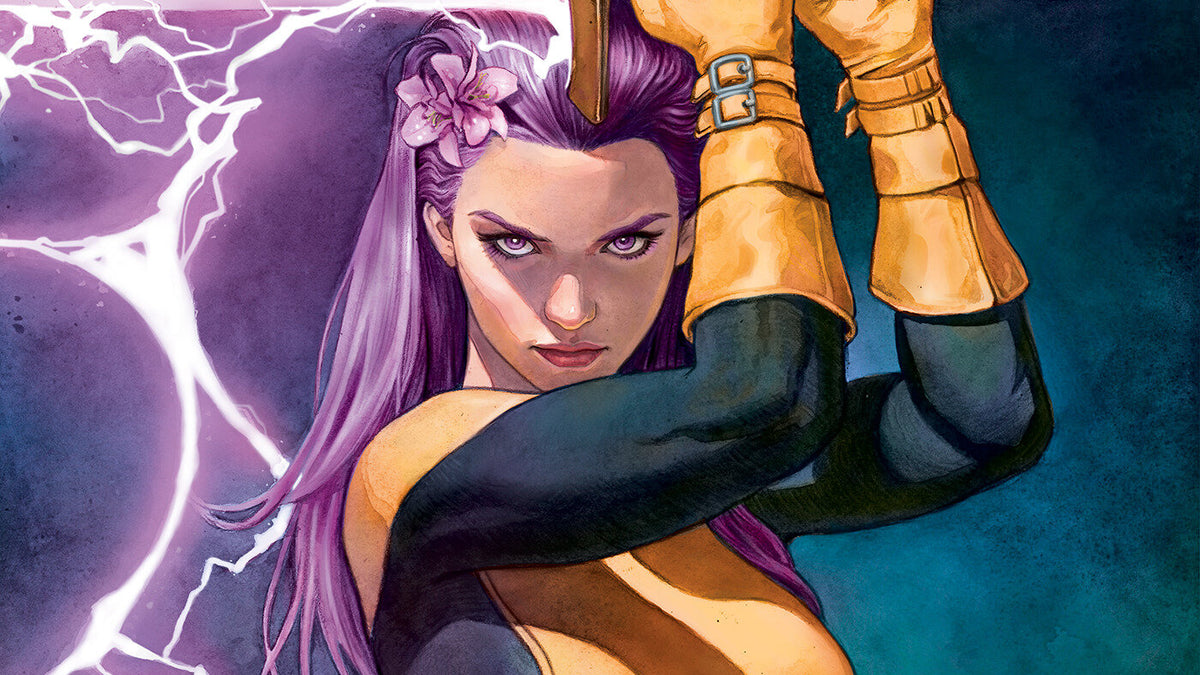
The number is an ordering rule, not a print run. A shop can order one copy of a ratio variant for every set number of standard copies it orders. At 1:10, a store has to order ten standard copies before it can get one copy of the variant (Popverse). At 1:25, it is 25 copies for one. Common ratios run from 1:10 up to 1:100 and beyond (Screen Rant), and publishers have gone much further: Marvel and DC have both offered variants at roughly one for every 5,000 copies ordered (Comics Beat).
Here is what that looks like on real books in our catalog:
| Ratio | To get one copy, a shop orders | Example in our catalog |
|---|---|---|
| 1:10 | 10 qualifying copies | Robin Hood #3 Cover G, Nathan Szerdy virgin |
| 1:15 | 15 qualifying copies | Robin Hood #3 Cover J, Clayton Crain virgin |
| 1:25 | 25 qualifying copies | Black Cat #16, Bengal variant |
| 1:50 | 50 qualifying copies | Black Cat #16, Stuart Immonen virgin |
| 1:100 | 100 qualifying copies | Maximum X-Men #1 Cover H, Ivan Talavera virgin |
The higher the ratio, the fewer shops order enough copies to qualify, which is why a 1:100 turns up far less often than a 1:10. But be careful with the maths: a ratio tells you what a shop had to order, not exactly how many copies exist.
Which copies count: it depends on the publisher

Here is the part most guides skip: there is no single industry rule for which copies “qualify.” Each publisher sets the terms, often issue by issue, and shops have to meet them when they order. Marvel’s distributor, Penguin Random House, tells retailers they are responsible for making sure order prerequisites are met, and it can’t combine orders across a retailer’s different locations (PRH Comics FAQ). A few documented examples show how much the rules vary:
- Flat ratios. For Ultimates 2 #1 in 2004, Marvel set a straight one-in-ten ratio on retailer orders (ICv2).
- Percentage targets. Marvel has also tied variants to a percentage of a shop’s order on another book. For Ant-Man #1, stores had to order 150% of their Hawkeye vs. Deadpool #1 numbers (Comics Beat).
- Combined covers. BOOM! has counted its main and subscription covers together, giving one incentive cover for every five combined copies (Bleeding Cool).
So when someone tells you exactly how many copies of a ratio cover exist, ask where the number came from. Unless the publisher has said so, nobody outside it really knows.
Why publishers make them

Ratio variants exist to get shops to order more copies. Writer and artist Monty Nero described incentives as a common way to drive orders up (Bleeding Cool), and Screen Rant notes that publishers lean on collectors’ appetite for rare covers, sometimes to prop up weaker series (Screen Rant).
To be honest about the other side: the extra copies a shop orders to qualify are not always real sales. Retailer Daniel McAbee has pointed out that many of them simply end up sitting on the shelf (ICv2). Ratio covers still matter a great deal to how comic shops make ends meet. When DC cut its ratio variants from 43 in August 2025 to six by that autumn, retailers told Bleeding Cool it cost them roughly 10% of their effective discount (Bleeding Cool).
Dynamite: ratios at almost every level
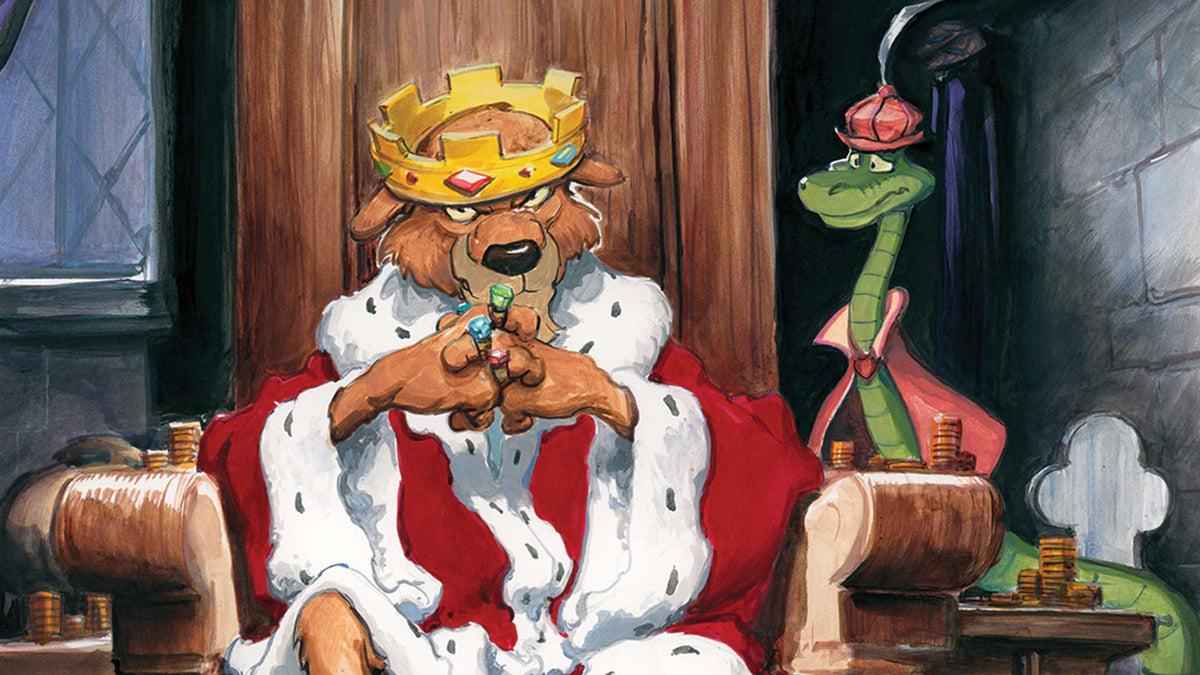
Dynamite offers a lot of ratio covers. Its solicitations name incentive covers by the number of copies a shop has to order, with labels like “10 copy,” “30 copy” and “foil virgin incentive” (Comics Beat), and a single issue can carry several tiers at once, often mixing black-and-white, virgin and tinted versions of the same art (Bleeding Cool). Dynamite has also rewarded shops for keeping or raising their orders by FOC with extra incentive covers (Bleeding Cool).
Robin Hood #3 shows the typical shape. In our catalog, Covers A to E are regular covers anyone can order, Cover F is a limited virgin (Dynamite labels these “LTD”), Covers G and H are 1:10 virgins, and Covers I and J are 1:15 virgins. Ten covers for one issue, each with its own price and availability.
Vault Comics: incentives built around bundles and new readers
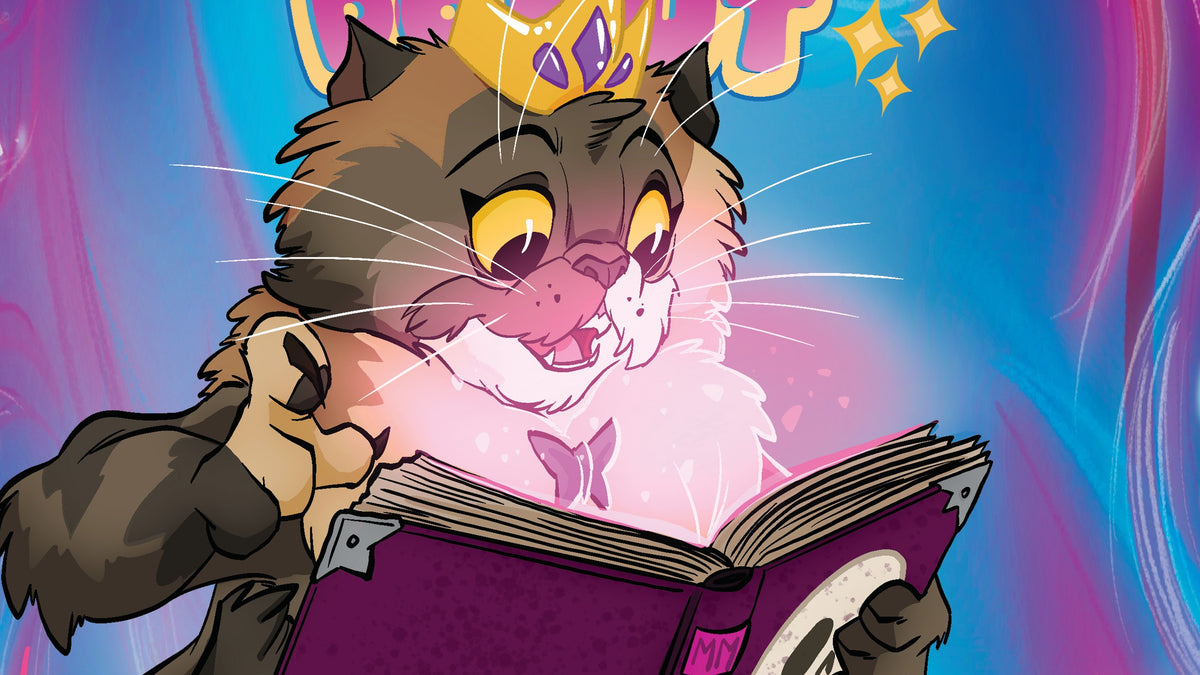
Vault Comics takes a different approach. In our experience ordering from them, Vault typically ties its incentive covers to bundles of covers rather than a single ratio, with the goal of getting more readers into a series, particularly on first issues and their later printings. Vault’s own history bears that out:
- Tiered rewards on #1s. In 2018, shops that raised their orders of Wasted Space #1 or Deep Roots #1 to 10 copies got one rare cover, and those that reached 20 got three, shipped free by Vault itself (Bleeding Cool).
- Free bundles for readers. In 2023, Vault gave shops the standard cover of Unnatural Order #1 free in bundles of 25 and charged only for the variants, with the stated aim of making it one of the year’s best-selling comics (ICv2).
- Bundle boxes. For Big Rig, Vault sold 10-copy boxes, limited to 3,000, each holding at least nine different variants from a set of 15 (Vault Comics).
- Later printings. When Deep Roots #1 sold out, its second printing got its own new cover (Impulse Gamer).
Vault’s CEO Damian Wassel has said variants work well on first issues and lose some of their appeal by the second (SKTCHD). Vault’s next big launch is the ongoing Dungeon Crawler Carl #1, a 48-page first issue arriving in January 2027 with main covers by Nathan Gooden and variants from a rotating cast of artists (Vault Comics).
Why ratio covers cost more, and how we sell them
Here is the honest reason a 1:50 costs more than its cover price. To get that one copy, a shop has to buy 50 qualifying copies, and those copies have to sell. Penguin Random House has said Marvel comics are sold to shops non-returnable (Bleeding Cool), so any copy that doesn’t sell is the shop’s loss. Stores price incentive covers higher to offset the cost of that larger order (SYFY Wire).
And the other honest part: prices can fall. A ratio cover’s value is set by what collectors will pay, and that can drop within weeks of release, as McAbee has noted (ICv2).
How we handle them at Comic Legion:
- Priced individually. Each ratio cover is priced on its own, not at cover price.
- Limited. We usually have only a few copies of each, and the number we can offer is set by what we order at FOC.
- Preview images. Cover images are publisher previews, and the final printed cover can differ.
- Clearly labelled. Our listing titles name the ratio and the type of cover.
A quick guide to those labels:
| On the listing | What it means |
|---|---|
| INC 1:15 or 1:15 VARIANT | An incentive cover at that ratio |
| VIRGIN | The art with no logo or cover text (Comics Beat) |
| FOIL | A cover printed with a metallic foil finish |
| LTD VIRGIN | Dynamite’s limited virgin cover; on our listings it carries no ratio |
| BLANK SKETCH | A cover left mostly white so an artist can draw on it (Dark Horse) |
FAQ
Does a 1:25 variant mean only 25 copies exist?
No. It means a shop had to order 25 qualifying copies to get one. How many exist depends on how many copies shops ordered in total, which publishers rarely announce.
Can I order a ratio variant without buying the other copies?
Yes. The ordering rule applies to shops, not to you. When we offer a ratio cover, you buy just that cover at its listed price.
What’s the difference between a ratio variant and a virgin variant?
A ratio variant is defined by how it is ordered; a virgin variant is defined by how it looks, with no logo or cover text. A cover can be both, like a 1:100 virgin.
Are ratio variants a good investment?
Sometimes, but there is no guarantee. Prices are set by collector demand and can fall after release. Buy the covers you want to own.
Why do some covers have no ratio at all?
Those are open-order covers: anyone can order as many as they like, so there is no ratio. Cover A is usually one of them, and many variants are too.
More stories
See all stories
News
Marvel Comics NCBD previews, December 2: Maximum X-Men, Venom: POV and Infernal Hulk vs. Avengers
Marvel Comics gave us a first look inside nine books released this NCBD, Wednesday, December 2: Maximum X-Men #1, Venom: POV #1, Infernal Hulk vs. Avengers #1, The Incarcerated Iron Man and more, with every preview pa...
9 min read
Legion Arsenal
Quartermaster’s Cart: Galactic #3 closes Monday, Daredevil #11 brings Latch on December 7
Galactic #3 hits FOC on Monday, and Daredevil #11 introduces Latch one week later. Here is how the Quartermaster’s Cart, our multi-cart, keeps every FOC week (and a 1:25 Chris Allen cover) in order.
7 min read
Standing Orders
New on Standing Orders: Absolute Justice, Radioactive Revolution and Batman: Reign of Assassins
Absolute Justice, Radioactive Revolution, Batman: Reign of Assassins, Justice League vs. Godzilla vs. Kong III and Death Ward lead this week’s new series on Standing Orders, and Sean Gordon Murphy’s Lake Totem locks t...
8 min read