

First printing or second printing? How to tell which comic you have
Same title, same issue number, different book. Here’s how to read the cover, the barcode and the listing to tell a first printing from a second, third or eighth.
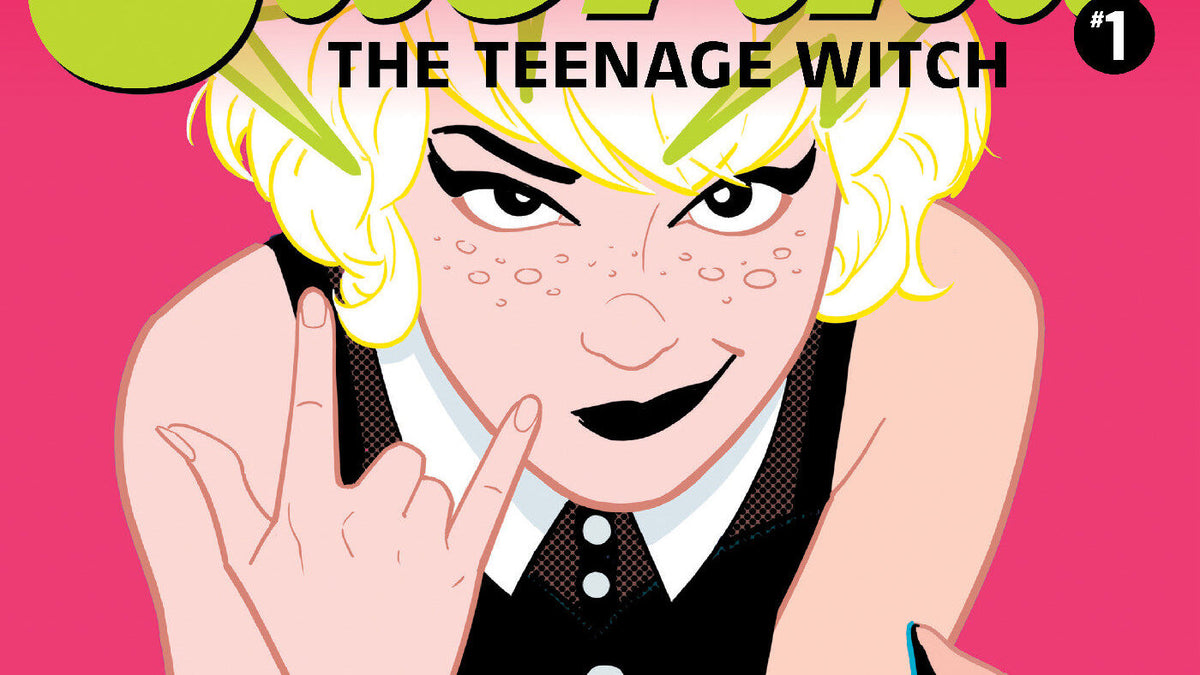
Two copies of the same comic can carry the same title, the same issue number and even the same cover artist, and still be different books. One came off the press first; the other was printed later, after the first run sold out. For a newer collector, telling them apart is one of the most useful skills there is, and it takes about a minute once you know where to look. Today is a good day to learn it: Sabrina the Teenage Witch #1 third printing and #2 second printing both hit Final Order Cutoff today, Monday, November 23.
- 5 digits in the barcode add-on that track issue, cover and printing
- 8th printing of Absolute Batman #1 in our catalog
- Nov 23 FOC for the new Sabrina #1 and #2 reprints
Step 1: Know what a “printing” is
A first printing is the first press run of an issue. When a book sells through faster than expected, the publisher can order more copies, and Diamond Comic Distributors’ UPC guide for publishers describes that as the moment a publisher decides to go back to press (Diamond UPC guide). That second run is the second printing, the next one is the third, and so on. Absolute Batman shows how far this can go: our catalog currently lists an eighth printing of Absolute Batman #1.
A printing is not the same thing as a variant. CGC’s glossary defines a variant cover as different cover artwork used on the same issue (CGC glossary). A later printing is a new press run of the same issue, and it can come with variants of its own. The upcoming Absolute Batman #25 second printing, for example, is listed in four covers: Nick Dragotta’s Cover A, an Inhyuk Lee card stock cover, a blank sketch cover and a Dragotta and Clay Mann spot foil cover. If ratio numbers like 1:25 are new to you, our guide to ratio variants covers them.
Step 2: Read the cover
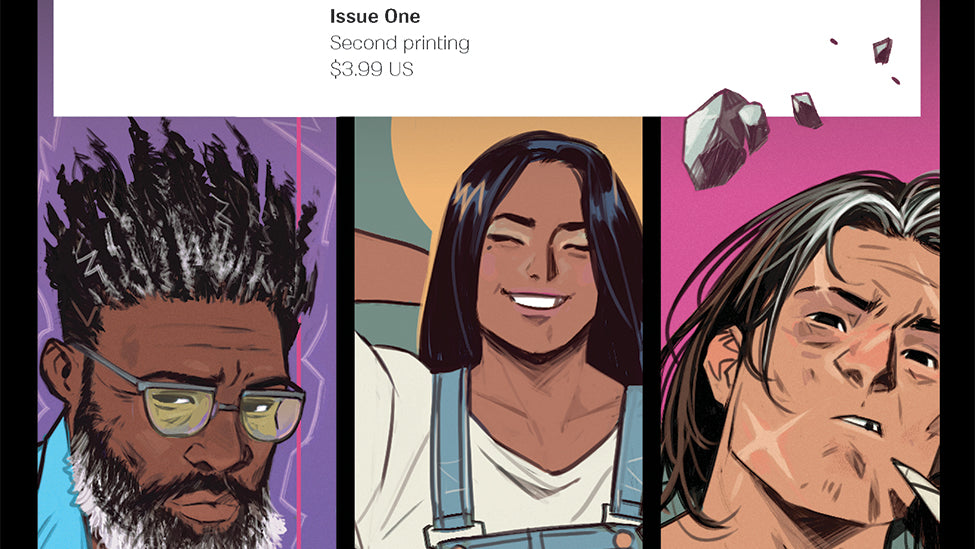
Start with the trade dress, the logo and text block printed around the art. Many publishers say outright when a book is a reprint. The second printing of The Power Fantasy #1 is a clean example: right under the logo, the Image cover reads “Issue One,” then “Second printing,” then the price.
Not every reprint makes it that easy. The listing image for the new Sabrina the Teenage Witch #1 third printing shows no printing note on the art, and preview images can differ from the cover that is finally printed. So treat the cover as your first clue, not your final answer.
Step 3: Read the barcode
In Diamond’s guide, a comic’s barcode has two parts: a 12-digit UPC that stays the same for the whole series, and a short 5-digit add-on that changes from book to book. The add-on breaks down like this (Diamond UPC guide):
- Digits 1 to 3: the issue number (001, 002 and so on).
- Digit 4: the cover or variant number, counted in order.
- Digit 5: the printing.
Diamond’s own worked example: issue #2 Cover A ends in 00211, its Cover B in 00221, and its second printing in 00212. Only the last digit moves.
You can watch the pattern work in our own Absolute Batman listings, where each reprint’s barcode ends in the printing number:
- Absolute Batman #1 eighth printing: ends in 00118
- Absolute Batman #2 sixth printing: ends in 00216
- Absolute Batman #3 fifth printing: ends in 00315
- Absolute Batman #4 fourth printing: ends in 00414
- Absolute Batman #5 third printing: ends in 00513
Marvel follows it too: Midnight Spider-Man #1 Cover A ends in 00111, while the Midnight Spider-Man #1 Uncloaked second printing ends in 00112.
Step 4: Know where the pattern breaks
Diamond’s guide sets out a standard, and in practice publishers apply it differently. Two examples from our own catalog:
- Variant covers on later printings. The Absolute Batman #1 fourth printing Cover B ends in 00172. Read strictly, that last digit says “second printing,” but the book is a fourth printing.
- Different digit layouts. Oni Press’s Sabrina codes put “010” in the issue slot for #1 and “020” for #2. The last two digits still follow cover-then-printing, though: #1 Cover A ends in 01011, Cover B in 01021, the third printing in 01013, and the #2 second printing in 02012.
The barcode is strong evidence, especially on a main cover. When it disagrees with what the book or the listing says, trust the description and ask before you buy.
Step 5: Read the listing title
At Comic Legion, reprints name their printing in the product title: “Second Printing,” “3rd Printing,” “Eighth Printing,” or “New Printing” on collected editions like omnibuses. When you shop back issues, scan the end of the title before you add a book to your cart, and if the printing matters to you and you don’t see one named, ask us before you buy.
Step 6: Decide whether a reprint belongs on your pull list
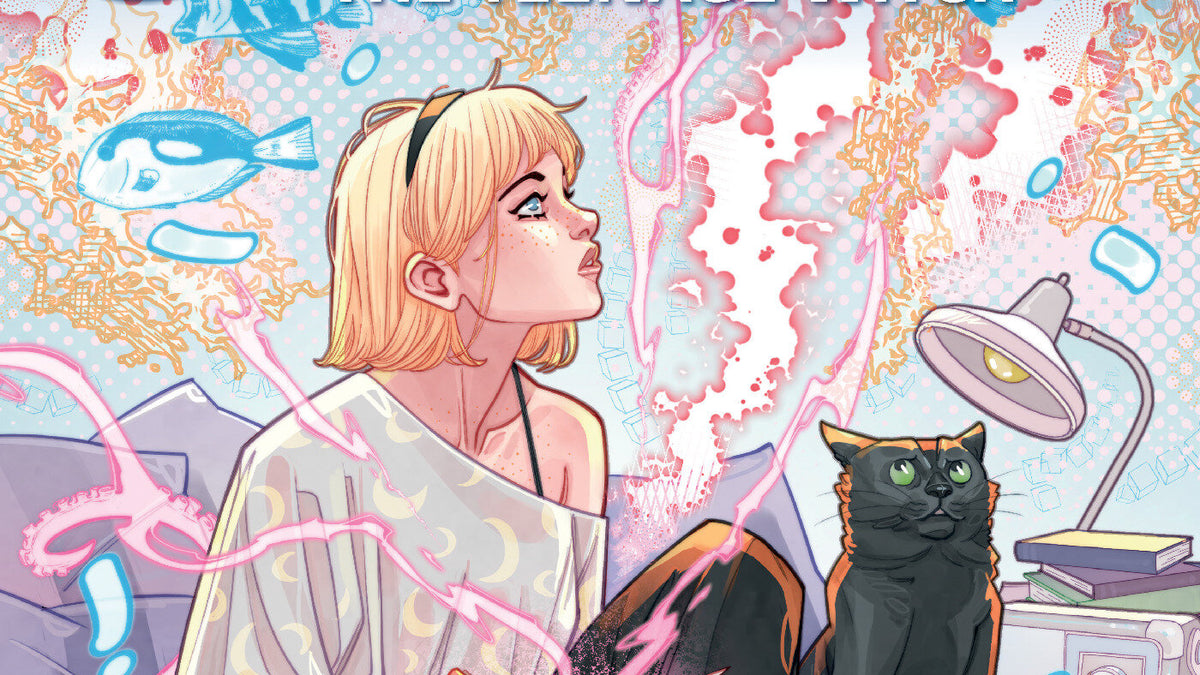
Our take: a later printing is not a lesser book, it is a different one. If you read for the story, a reprint is the easiest way to catch up on a series that sold out before you found it. If you collect first printings, you now know how to make sure that is what you are getting.
Either way, reprints are solicited and ordered like new comics, with their own FOC dates. That means the same rule applies: if you want one, preorder it before FOC, because a shop only gets the copies it ordered. Coming up in our catalog:
- Today, Nov 23: Sabrina #1 third printing and Sabrina #2 second printing, both in stores December 23.
- Nov 30: Absolute Batman #25 second printing, in stores January 13, 2027.
- Dec 7: Midnight X-Men #2 Uncloaked second printing, in stores January 13, 2027.
New to FOC? Our guides on what FOC is and how preorders work explain the timing. For the new issues of a series you follow, a pull list does the work for you: Standing Orders orders each new issue at FOC, and our pull list guide explains how.
FAQ
Is a second printing a variant?
Not by itself. A variant is different cover art on the same issue; a second printing is a new press run of the issue. A second printing can have its own cover, and its own variants, but the two terms describe different things.
Why does a reprint have its own FOC date?
Because it is ordered the same way as a new comic. The publisher solicits it, shops order it by Final Order Cutoff, and it arrives on its own release date. The Sabrina #1 third printing, for example, has an FOC of November 23 and a release date of December 23.
How do I know which printing I’m buying from Comic Legion?
Look at the product title. Our reprint listings name their printing, such as “Second Printing” or “3rd Printing.” If the printing matters to you and the title doesn’t name one, message us before you order and we’ll check.
Will a CGC label tell me the printing?
CGC’s published label guide says its standard blue Universal label shows the grade along with any special information about the book (CGC labels). Neither its label guide nor its glossary spells out how printings are noted, so read the label itself, and check the cover and barcode of the book inside.
Should I skip later printings?
Only if first printings are what you collect. For reading, catching up or simply owning a cover you love, a later printing does the job and is often easier to find than a sold-out first run.
- Sabrina the Teenage Witch #5 (Cover A)
- Sabrina the Teenage Witch #1 third printing
- Sabrina the Teenage Witch #2 second printing
- Absolute Batman #27 (Cover A)
- Absolute Batman #25 second printing (Cover A)
- The Power Fantasy #19 (Cover A)
- Midnight Spider-Man #4 (Cover A)
- Midnight X-Men #2 Uncloaked second printing
- Standing Orders
More stories
See all stories
Roundups
This week in comics: the Phoenix comes home, 2000 AD turns 50, Superman squares up to Luthor, and Monday’s must-preorders
Jean Grey returns, DC gets a new chain of command, and 2000 AD celebrates 50 years with Judge Dredd Megazine #500 alongside. Here’s what to preorder before FOC on Monday, November 30.
6 min read
Advance Guard
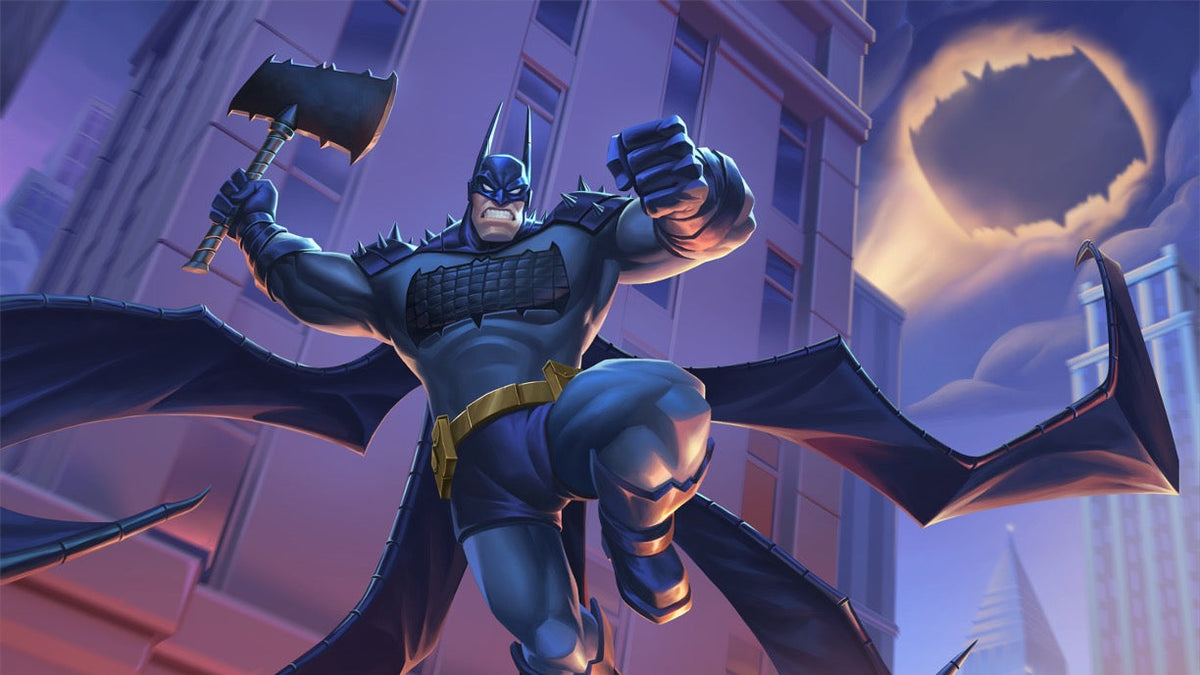
Advance Guard: Absolute Batman #26 turns to Barbara Gordon as #25 goes back to press
Start building your cart for next FOC now. Absolute Batman #26 and the #25 second printing lead a Monday, November 30 FOC with Absolute Superman #27, Sean Murphy’s Lake Totem #1 and Hide Nor Hair #1, with Hulk War, Ah...
8 min read
Guides
How comic book grading works: the CGC scale, label colours and pressing explained
What does a 9.8 actually mean, and why does the label colour matter? A step-by-step guide to comic grading, from the 10-point scale to labels and pressing, plus who the Legion trusts with its own books: Arman at Comic...
12 min read